

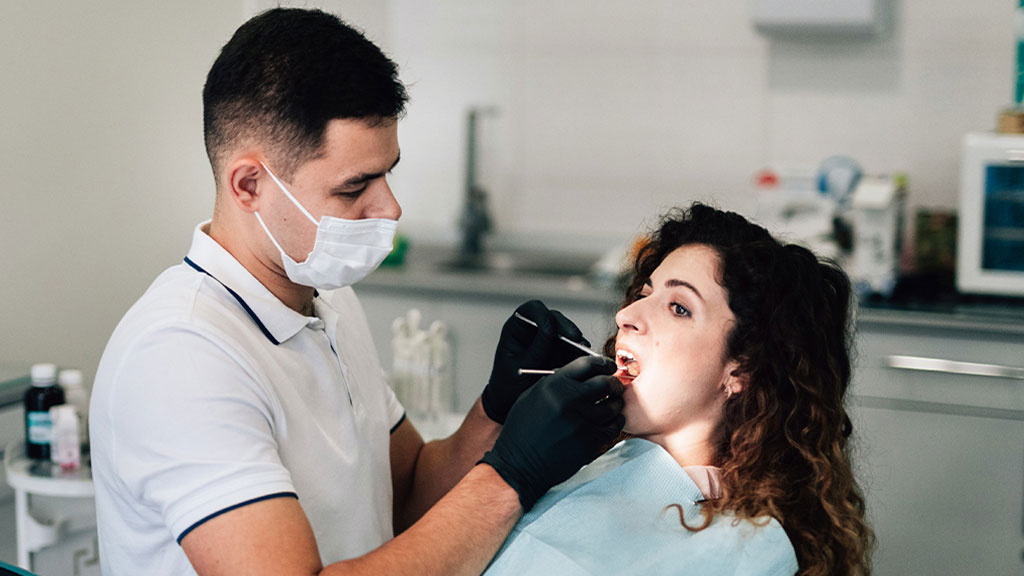
Understanding the Impact of Dental Anxiety
Dental anxiety remains one of the most significant barriers preventing individuals from seeking essential oral healthcare. For countless patients across the United Kingdom, the mere thought of sitting in a dentist’s chair triggers feelings of dread, panic, and overwhelming stress. This psychological response, whilst entirely valid, often leads to a detrimental cycle where individuals postpone or completely avoid dental appointments, ultimately compromising their oral health and wellbeing.
The consequences of untreated dental anxiety extend far beyond temporary discomfort. Patients who avoid regular check-ups frequently develop more serious oral health issues, including advanced tooth decay, gum disease, and infections that require more invasive treatments. Research has shown that dental anxiety affects approximately 10-20% of the population, making it a widespread concern that a private dentist in Manchester must address with compassion and innovative solutions.
What Sedation Dentistry Offers
Sedation dentistry has emerged as a transformative approach that enables anxious patients to receive the dental care they need without experiencing overwhelming stress. This modern technique utilises various levels of sedation to help patients feel calm, relaxed, and comfortable throughout their dental procedures. By addressing the psychological barriers that prevent individuals from seeking treatment, sedation dentistry opens the door to improved oral health outcomes for those who might otherwise suffer in silence.
Many dental practices now offer sedation options as part of their comprehensive care approach. Whether someone requires a routine cleaning or a more complex procedure, a private dentist in Manchester and other locations can tailor sedation methods to suit individual needs and anxiety levels. This personalised approach ensures that each patient receives appropriate care whilst maintaining their safety and comfort throughout the treatment process.
Types of Sedation Available
Minimal Sedation
Minimal sedation, often achieved through nitrous oxide or “laughing gas”, allows patients to remain fully conscious and responsive whilst experiencing a profound sense of relaxation. This option suits individuals with mild anxiety who simply need assistance staying calm during their appointment. The effects wear off quickly, enabling patients to resume normal activities shortly after leaving the dental surgery.
Moderate to Deep Sedation
For patients experiencing more significant anxiety, moderate sedation administered through oral medication or intravenous methods provides a deeper level of relaxation. Patients under moderate sedation may feel drowsy and have limited memory of the procedure, though they can still respond to verbal cues. Deep sedation takes this further, placing patients on the edge of consciousness whilst maintaining their ability to be awakened if necessary. These options prove particularly beneficial for lengthy procedures or individuals with severe dental phobias.
The Benefits Beyond Anxiety Relief
Whilst the primary advantage of sedation dentistry centres on alleviating anxiety, the benefits extend considerably further. Sedation enables dental professionals to complete more complex procedures in a single appointment, reducing the number of visits required and minimising disruption to patients’ daily schedules. This efficiency proves especially valuable for individuals with busy lifestyles or those who struggle to arrange multiple appointments.
Additionally, sedation can reduce the gag reflex and minimise physical discomfort, allowing dentists to work more effectively. Patients who require extensive dental work can receive comprehensive treatment without enduring prolonged stress or fatigue. The clinical management of dental anxiety has become increasingly sophisticated, offering patients safe and effective options tailored to their specific circumstances.
Safety and Professional Standards
Patient safety remains paramount in sedation dentistry. Dental professionals who offer sedation services undergo specialised training and adhere to rigorous safety protocols established by regulatory bodies. Before administering any form of sedation, dentists conduct thorough medical assessments to ensure patients are suitable candidates and to identify any potential risks or contraindications.
Throughout the procedure, patients receive continuous monitoring of vital signs, including heart rate, blood pressure, and oxygen levels. This vigilant oversight, combined with established sedation and anaesthesia guidelines, ensures that any concerns can be addressed immediately, maintaining the highest standards of patient care and safety.
Achieving Long-Term Oral Health Success
Sedation dentistry represents more than a temporary solution for anxious patients; it offers a pathway to sustained oral health improvement. By enabling individuals to overcome their fears and receive regular dental care, sedation helps prevent minor issues from developing into serious problems. Patients who once avoided the dentist can now maintain consistent check-ups, benefiting from preventative care that protects their teeth and gums for years to come, ultimately transforming their relationship with dental healthcare.